“The difference between the success and failure of an urban project is rarely technical.
More often, it comes down to public legitimacy.”
Maite Peris
I design community acceptance strategies
for urban projects.
“The difference between the success and failure of an urban project is rarely technical.
More often, it comes down to public legitimacy.”
Maite Peris
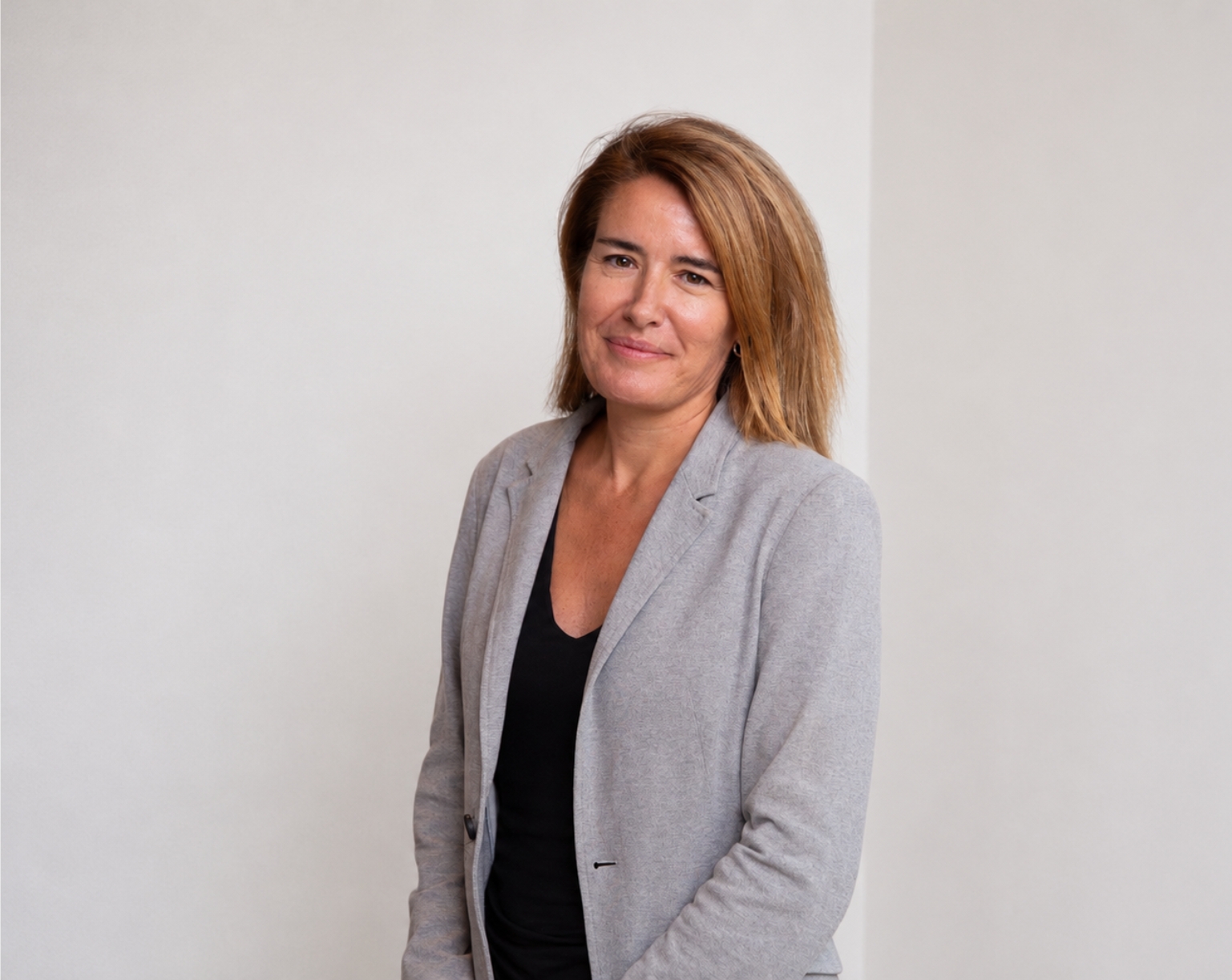
I design community acceptance strategies for urban projects.
The role and timing of strategic communication
Technical teams spend months—and sometimes years—designing projects to improve the quality of life in cities.
They rely on data, research, scientific evidence, and solid technical criteria.
Yet when the project is presented to the public, it doesn't always gain the expected traction.
- A bike lane.
- A low-emission zone.
- A calmed-traffic street.
Projects that are technically flawless can quickly become the flashpoint of intense public controversy.
Why does this happen?
Because all too often, communication enters the picture only after decisions have already been made.
When that happens, it stops being a strategic tool and becomes a defense mechanism for predetermined choices.
It turns into a reactive explanation.
An attempt to win over a public that was never invited to help shape the project's narrative.
The issue isn't the amount or style of communication; it’s that it started too late.
The root cause of public pushback is the failure to build a shared narrative.
A narrative capable of connecting the intervention with the concerns, fears, and expectations of the people who will live with that change.
When this process isn't prioritized from day one, the consequences are predictable: public resistance, reputational crisis, eroded trust, implementation challenges, and wasted time and resources.
Because transforming a city isn't just about redesigning streets, plazas, or infrastructure. It’s about transforming how people understand that change.
How they experience it and how they live it.
And that transformation begins long before construction ever starts.
My perspective
To me, strategic communication is part of the core infrastructure of any urban project.
It cannot be an afterthought tacked on at the end. It is a foundational element that must be integrated from day one—right alongside technical decisions—because both are required to bring a project to life.
That is why I don't see communication as an explanation, but as a tool to build social legitimacy.
I have developed this vision over more than twenty years working at the intersection of communication, public policy, and urban transformation across Spain and Canada.
I have led communication strategies for over 200 urban projects spanning mobility, sustainability, urban planning, and municipal services —from critical infrastructure and waste management to urban green spaces, coastal management, and energy. These initiatives have fundamentally reshaped how people experience their cities.
My journey spans fifteen years at Transports Metropolitans de Barcelona, reshaping the experience of millions of transit users through digital and social innovation, to the Barcelona City Council, where I led communication and community engagement for internationally recognized projects such as the Superblocks (Superillas), Spain’s first Low-Emission Zone (ZBE), and the launch of Barcelona Energia, the country's first municipal energy utility.
Furthermore, my experience in Canada with Q4 Architects consolidated my perspective on infrastructure communication as a high-value strategic discipline.
Throughout my career, I have proven that when communication is approached strategically, it shapes expectations, defines the issues at hand, and empowers people to understand where a project is headed and why.
Integrating communication from the start completely changes the way we work.
Because the first job of a communication strategist isn't to tell the story—it's to research.
It means investigating existing perceptions, understanding how change is interpreted, identifying who influences the public conversation, and addressing concerns before resistance takes root. From there, it translates technical complexity into a narrative the community can own and embrace.
A skilled strategist is there from the very beginning—because social acceptance is something you design.
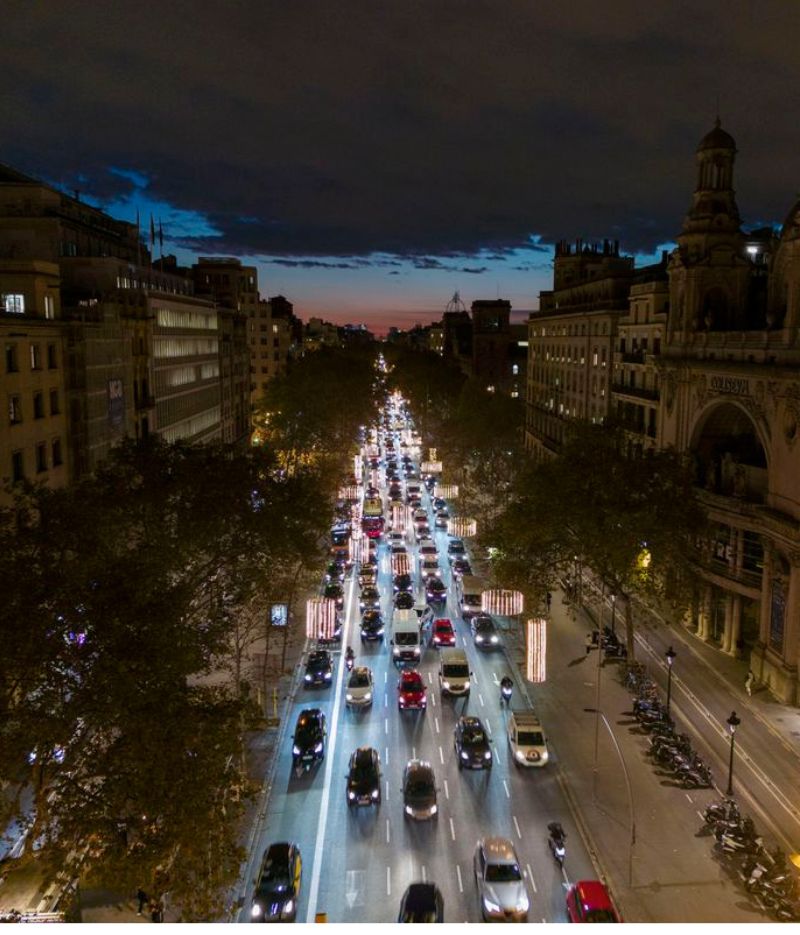
The Low-Emission Zone (ZBE) in Barcelona
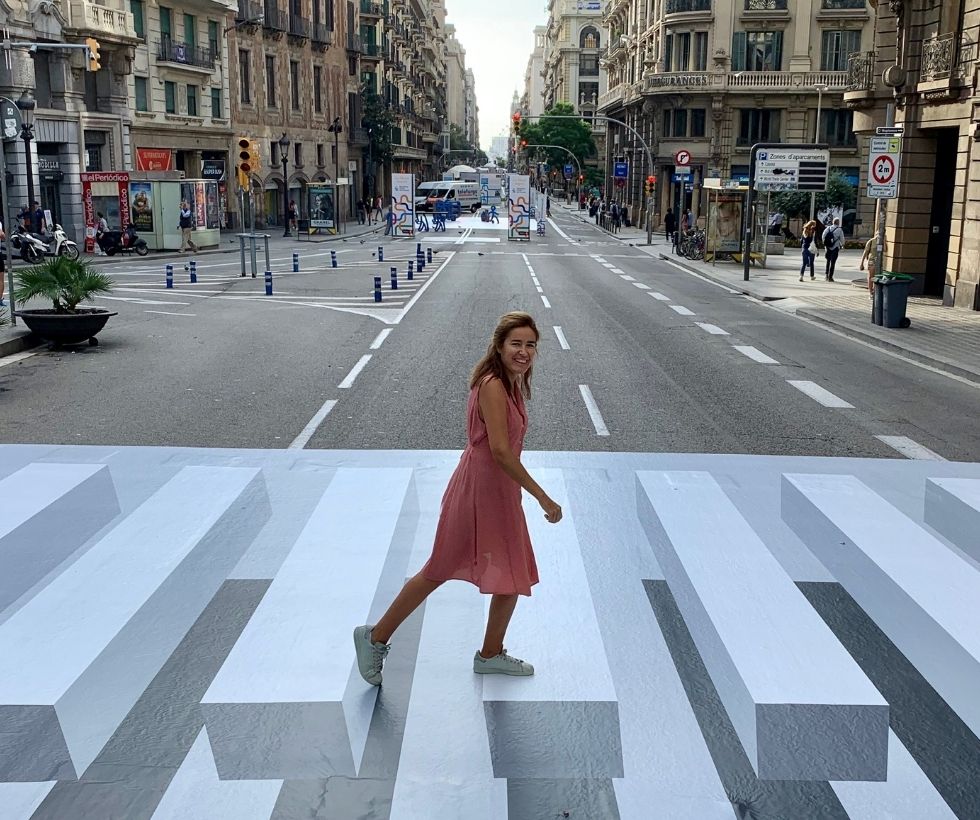
One of the defining projects of my career was the implementation of Barcelona’s Low-Emission Zone (Zona de Bajas Emisiones or ZBE).
The initial brief was to design a campaign explaining how the new policy would work.
I proposed a different approach.
Before explaining the logistics, the public needed to understand the underlying problem.
For months, we worked alongside media outlets, healthcare professionals, and key civic channels to shine a light on an issue hiding in plain sight: the poor quality of the air we were breathing every day and its real impact on public health.
Only after verifying that citizens truly grasped the scale of the challenge were the conditions right for them to understand why implementing the measure was so vital.
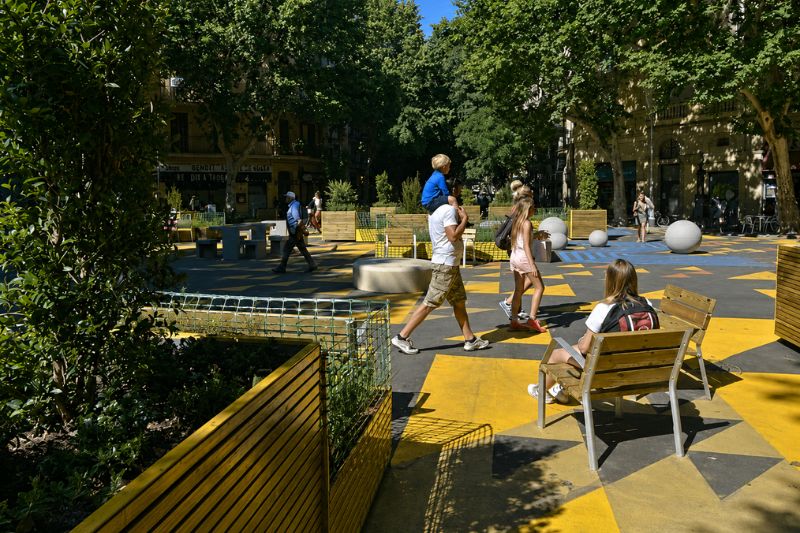
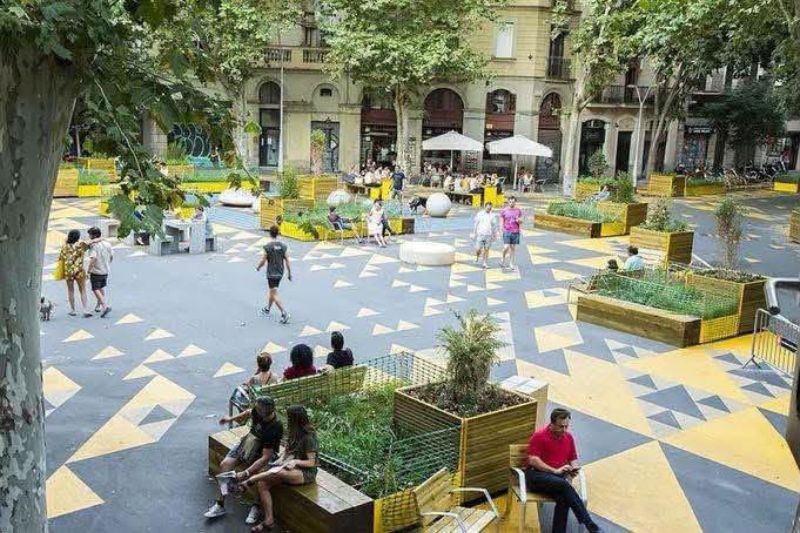
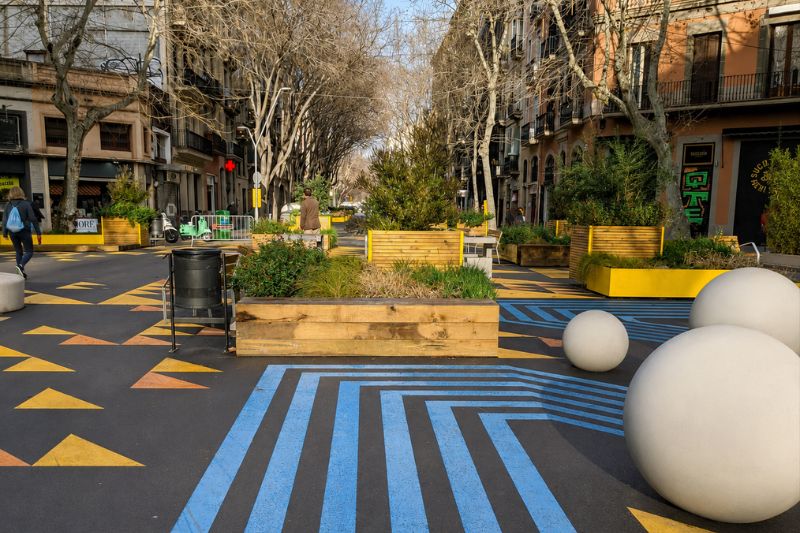
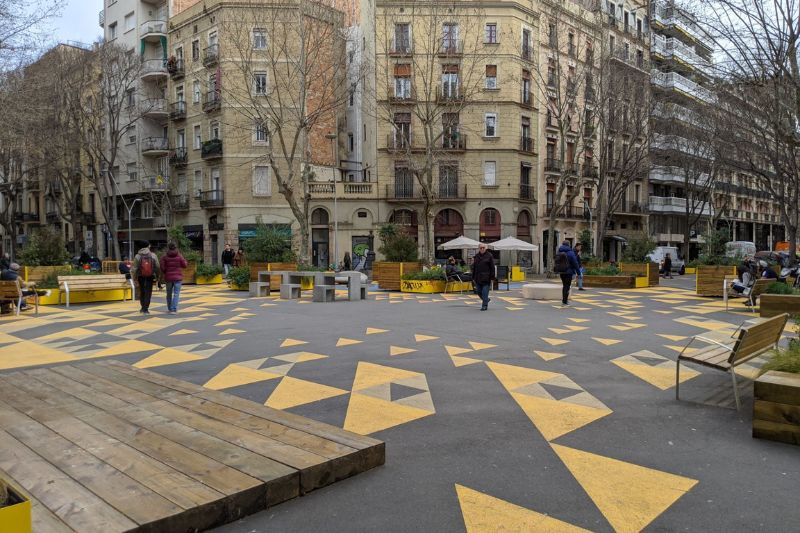
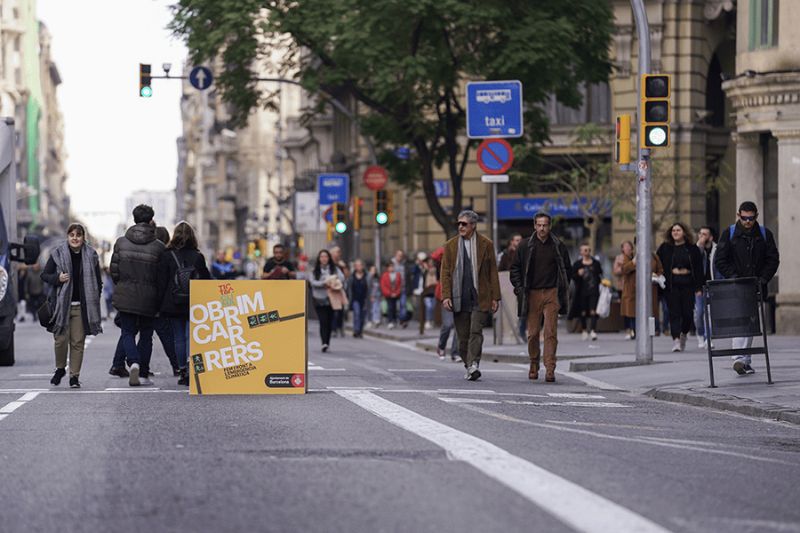
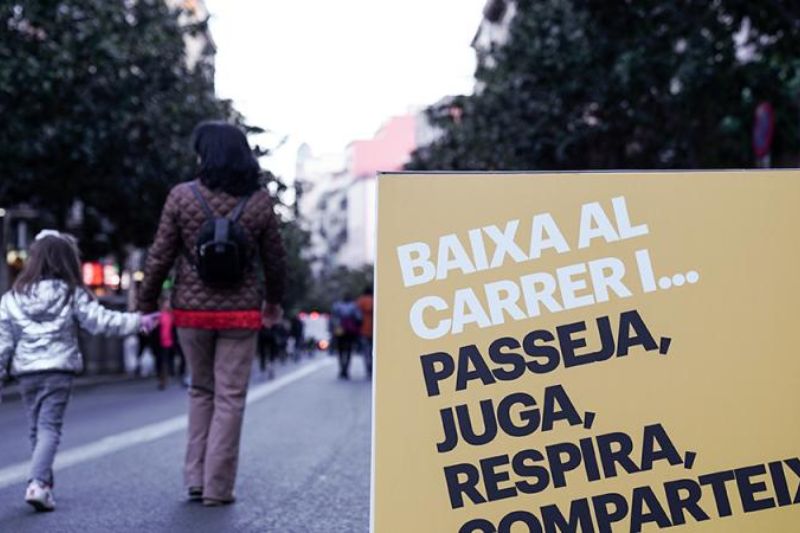
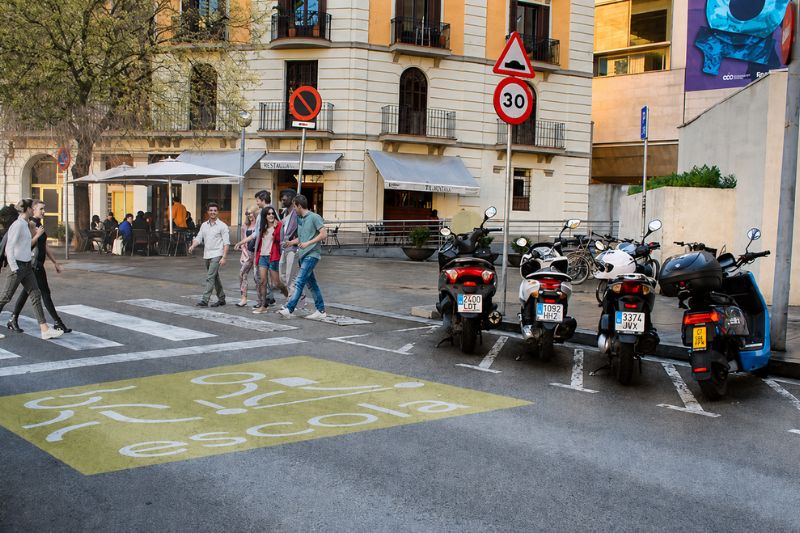
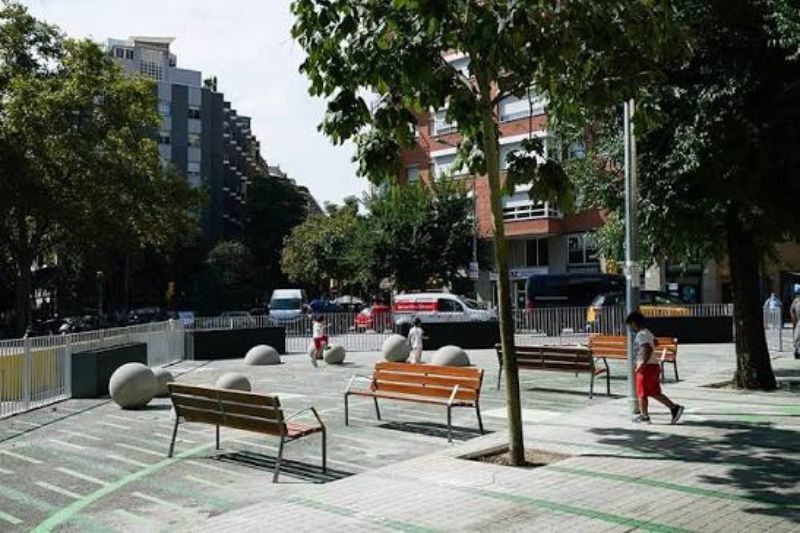
Barcelona’s Superblocks (Superillas)
During my time leading communication and community engagement for the Superblocks (Superillas) initiative, I reinforced another crucial lesson: urban decisions are rarely a choice between a good option and a bad one. Because…
- Widening a sidewalk means reducing space for cars.
- Pedestrianizing a street can impact local businesses.
- Expanding outdoor dining terraces can create accessibility barriers for others.
That is why, in an initiative aimed at reclaiming public space for people, we chose to bring these conflicts to light rather than try to hide them.
By framing the real dilemmas of urban design, we shifted the axis of the conversation away from who was right and who was wrong.
The debate moved toward a deeper, far more necessary reality: we demonstrated that designing a city for everyone means balancing legitimate—and sometimes competing—interests.
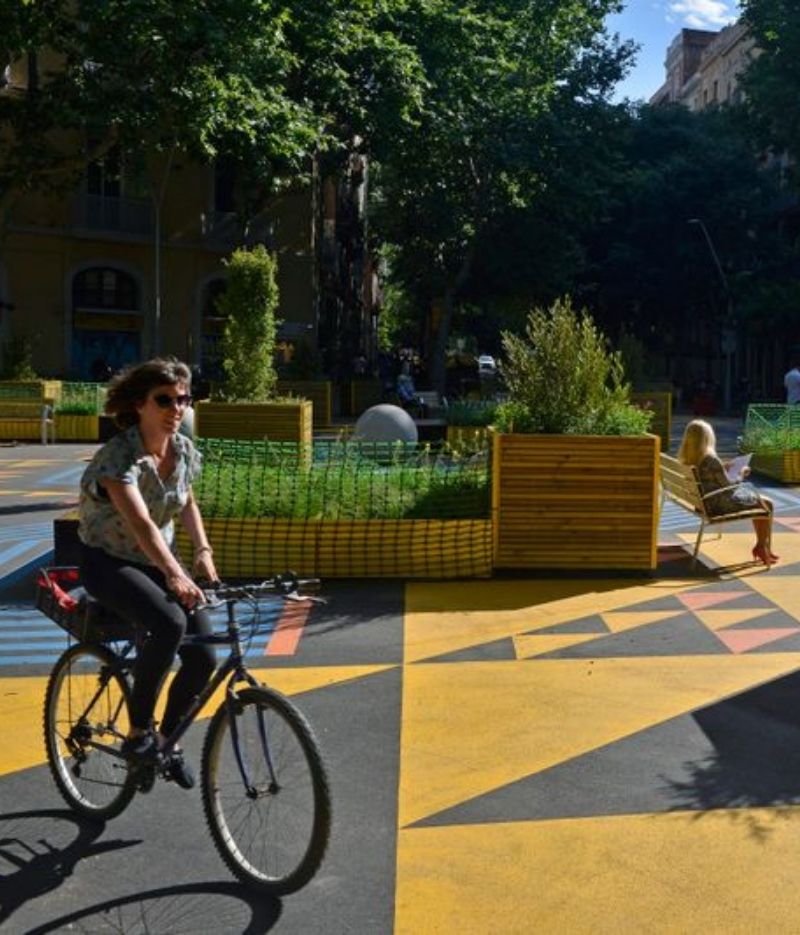
Barcelona’s Superblocks (Superillas)
During my time leading communication and community engagement for the Superblocks (Superillas) initiative, I reinforced another crucial lesson: urban decisions are rarely a choice between a good option and a bad one. Because…
- Widening a sidewalk means reducing space for cars.
- Pedestrianizing a street can impact local businesses.
- Expanding outdoor dining terraces can create accessibility barriers for others.
That is why, in an initiative aimed at reclaiming public space for people, we chose to bring these conflicts to light rather than try to hide them.
By framing the real dilemmas of urban design, we shifted the axis of the conversation away from who was right and who was wrong.
The debate moved toward a deeper, far more necessary reality: we demonstrated that designing a city for everyone means balancing legitimate—and sometimes competing—interests.
Where I deliver value
Strategic consulting
I join urban initiatives to establish strategic direction, build social legitimacy, and guide teams through complex transformations.
Having advised public administrations, consultancies, and organizations on the communication strategy for high-stakes urban projects.
My engagement concludes when there is a clear diagnosis, a solid strategic framework, and an actionable roadmap that the team can execute autonomously.
Training & workshops
I lead executive programs, masterclasses, and specialized sessions for technical teams, senior executives, universities, and organizations seeking to embed a strategic lens into urban communications.
My goal is to shift perspectives—positioning communication not as an administrative task, but as a critical discipline capable of determining an urban project's outcome.
Thought leadership & publications
I regularly contribute articles, co-author specialized industry publications, and generate insights on strategic communication applied to urban transformation.
Keynotes & Speaking Engagements
I have delivered keynote addresses and expert sessions at leading academic and international institutions, including:
University of Toronto (UofT), Universidad Austral de Buenos Aires, Toronto Metropolitan University (TMU), Universitat Politècnica de Catalunya (UPC), Cities Forum, Polis Network, Cities for Everyone (Gil Peñalosa), COMUS Congress, Barcelona Provincial Council, Catalan Association of Environmental Professionals, Sustainable Mobility School and the Network of Cities for Cycling.
Early-stage project advisory
My highest value is unlocked when communication is embedded during a project’s inception. This is where I help shape the overarching strategic framework before implementation begins.
It is during this initial phase that we can anticipate scenarios, ask the right questions, and craft a cohesive narrative from day one.
City Warriors platform
In addition, I lead City Warriors—a platform dedicated to spotlighting Spanish-speaking leaders driving urban transformation and showcasing alternative perspectives on public space.













As a communicator and as a citizen I naturally challenge the
‘that’s how we’ve always done it’ mindset. We can do better.
And to get there, we must first be willing to listen
to those who think differently.
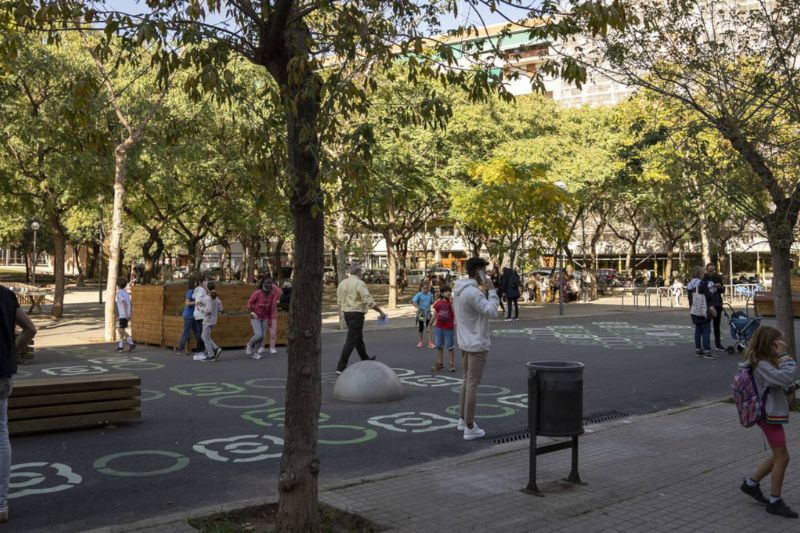
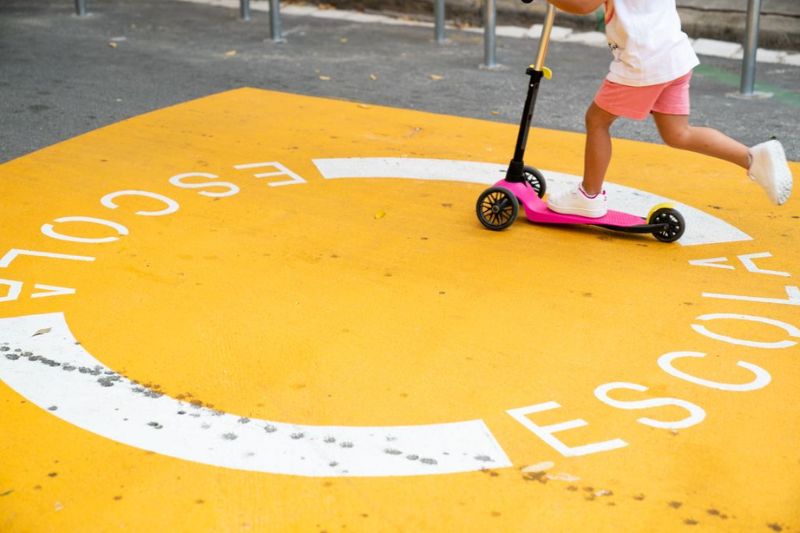
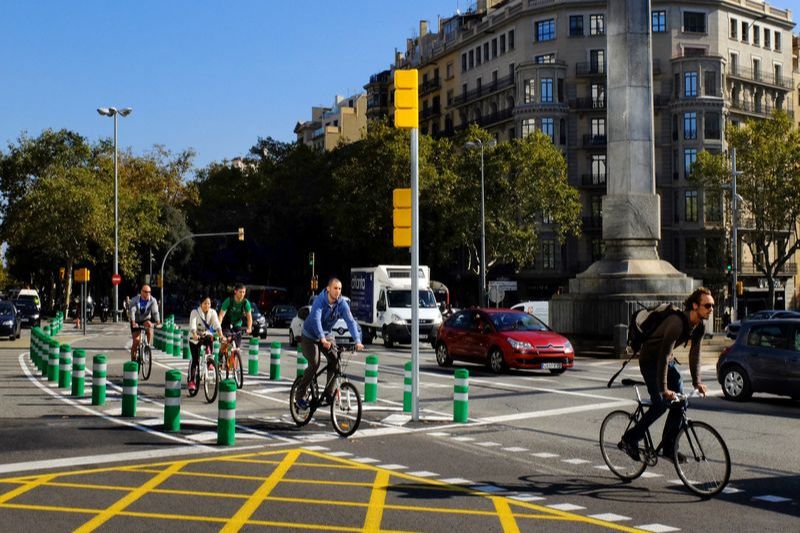
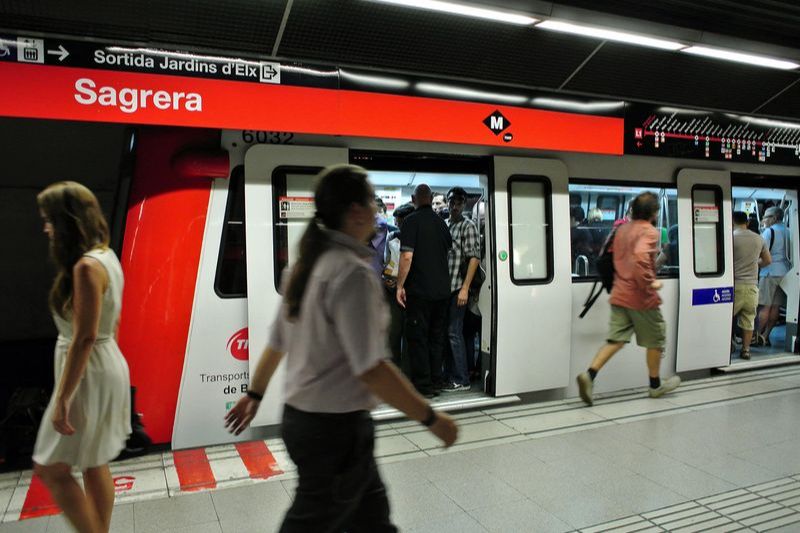
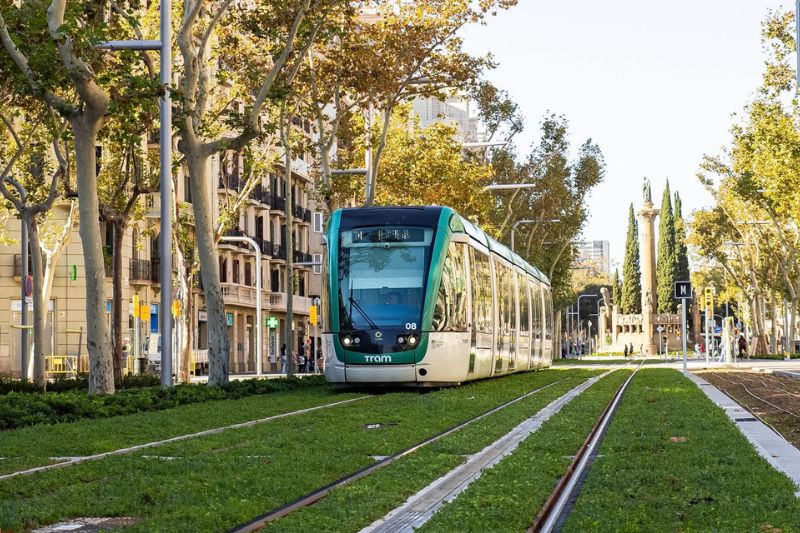
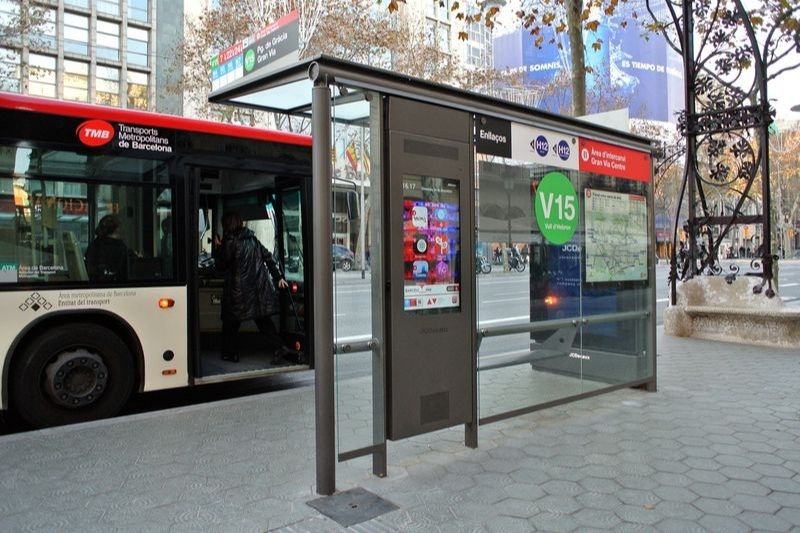
A selection of projects I’ve worked on

People I’ve had the privilege to collaborate with
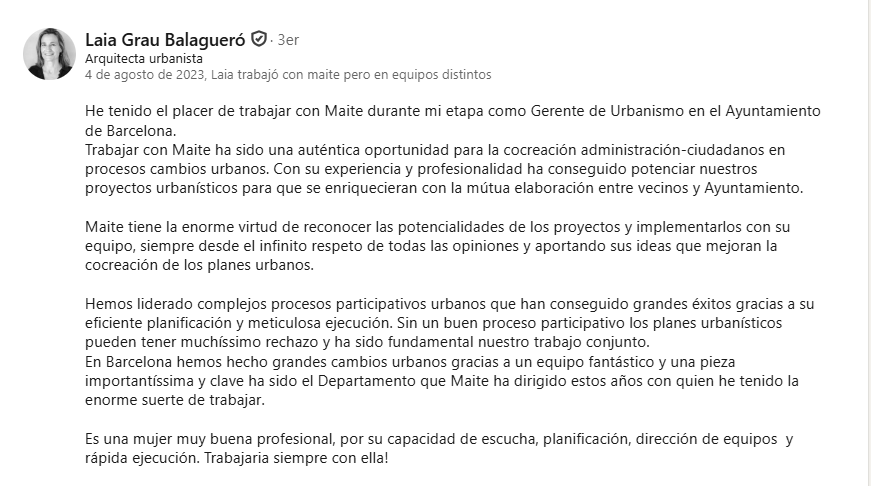
Laia Grau served as Chief Urban Planner for the Barcelona City Council from 2019 to 2023. During this period, Barcelona emerged as a living urban laboratory where strategic communication and community engagement served as core pillars of the city's transformation.
Gil Peñalosa is one of the most influential urbanists in the world. As the founder of 8 80 Cities, he has advised more than 350 cities globally. We met during my time in Canada, and he became one of my most valued mentors.
I also had the honor of being featured on his global webinar series: Turning conflict into trust: communication strategies for urban transformation • Guest speaker: Maite Peris.
This was an excellent presentation! I really appreciated how Maite gave concrete examples to back up her outlined points and strategies. It made the information much more tangible and memorable
This was one of the best presentations yet. Maite is an expert, provided examples from her own experience, reinforced strategies that ‘just make sense’. Good luck in your future projects!
LOVED IT!! Excellent speaker with such valuable experience
People I’ve had the privilege to collaborate with
Laia Grau served as Chief Urban Planner for the Barcelona City Council from 2019 to 2023. During this period, Barcelona emerged as a living urban laboratory where strategic communication and community engagement served as core pillars of the city's transformation.
Gil Peñalosa is one of the most influential urbanists in the world. As the founder of 8 80 Cities, he has advised more than 350 cities globally. We met during my time in Canada, and he became one of my most valued mentors.
I also had the honor of being featured on his global webinar series: Turning conflict into trust: communication strategies for urban transformation • Guest speaker: Maite Peris.
This was one of the best presentations yet. Maite is an expert, provided examples from her own experience, reinforced strategies that ‘just make sense’. Good luck in your future projects!
This was an excellent presentation! I really appreciated how Maite gave concrete examples to back up her outlined points and strategies. It made the information much more tangible and memorable
LOVED IT!! Excellent speaker with such valuable experience
Cities change when the conversation changes.
That is at the heart of every project I touch.
And that is precisely what I share in my newsletter: Mind the Gap.
- Real-world reflections.
- Practical case studies.
- Key takeaways.
And perspectives from professionals who are transforming cities in different parts of the world.
If this conversation resonates with you, I’d love to connect with you there.
Cities change when the conversation changes.
That is at the heart of every project I touch.
And that is precisely what I share in my newsletter: Mind the Gap.
Real-world reflections.
Practical case studies.
Key takeaways.
And perspectives from professionals who are transforming cities in different parts of the world.
If this conversation resonates with you, I’d love to connect with you there.