
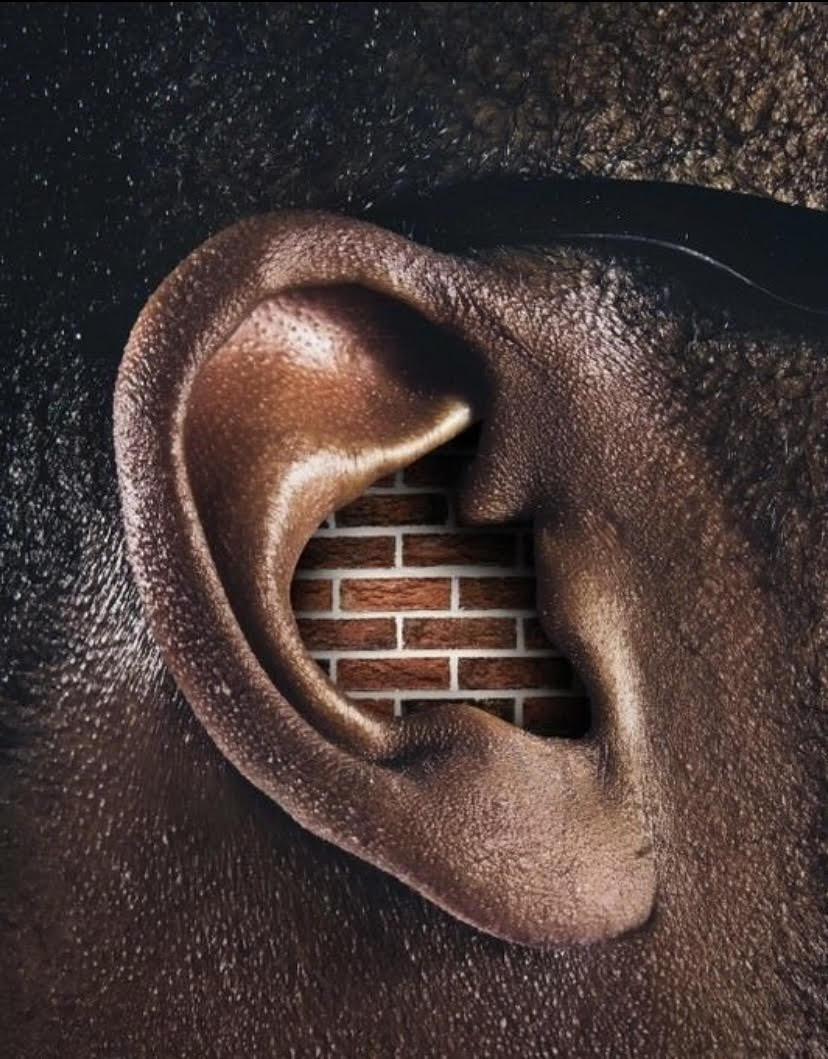
To achieve public acceptance in an urban project, communication should not be directed at "the public" as a homogeneous block, but rather segment the message according to the instinctive needs of each group. Applying principles of neuroscience and the reptilian brain, the communication strategy must translate technical features into direct benefits linked to four primary priorities.
Have you noticed how sometimes those urban projects we pour so much energy into end up receiving criticism or, even worse, go completely unnoticed?
After more than 15 years on the front lines of communicating major urban design, architecture, and sustainable mobility projects, I have learned a valuable lesson: we fail in how we tell the story.
We continue to believe that "the public" is a homogeneous block. The reality is far more complex and fascinating: on a single street, dozens of personal universes coexist, often with opposing interests and priorities. If we do not recognise the diversity of perspectives, communication becomes noise and we lose the opportunity to truly build cities.
Why your message is not landing: A lesson in neuroscience and urban psychology
Various studies in urban psychology, such as the work of Charles Montgomery (author of Happy City), show that people make decisions driven far more by emotions, memories, and unconscious needs than by rational arguments.
Neuroscience confirms this: the reptilian brain filters all stimuli by asking whether they answer to our safety or threaten our daily routine.
- Emotion precedes reason: Technical data and renders do not soothe uncertainty.
- Resistance to change is the norm, not the exception: The instinctive brain interprets any modification to its environment as a potential threat.
- Individualised reading: People "read" urban projects through the prism of their own lifestyle patterns (daily activity, family needs, local business).
The implications for project communication are huge: it is not enough to convince people with data; we must create affinity and minimise the fear of change.

When putting "glasses" on projects changes everything
Knowing that each person filters information through this survival instinct, how do we apply this in practice? By identifying the different "glasses" through which each neighbour views your proposal. Each pair radically alters what matters to them:
- Safety glasses: Worn by parents, mothers, and carers. Their reptilian question is: "Will my 'tribe' be safe here?"..
- Comfort glasses: Worn by older people or those with reduced mobility. Their brain asks: "Will this change save me energy and make my daily routines easier?"..
- Opportunity glasses: Worn by shopkeepers, young people, and entrepreneurs. Their instinct asks: "Will this bring me more resources, customers, or status?"..
- Routine glasses: The most common pair among long-term residents. Their brain hates uncertainty and asks: "Will this change disrupt my territory and hinder my daily life?"..
This is not just theory; I have experienced it firsthand. In the most complex street-calming projects I managed in Barcelona, the most critical audiences were always shopkeepers and elderly people.
One group viewed the transformation through "opportunity glasses", concerned about the viability of their businesses. The other, with "comfort glasses", feared losing accessibility in their daily routine. Designing specific support and messages to address these primary fears was the key to moving the interventions forward successfully.

Other citizen patterns to consider
The "glasses" framework is powerful, but we can refine it even further. In my experience, audiences usually cluster into certain behavioural patterns that help anticipate reactions:
- Guardians of tradition: Very present in established neighbourhoods. They see any change as a threat to what they feel is theirs.
- Aspirational groups: People who see the city as an opportunity for improvement (young residents, newcomers, entrepreneurs).
- Local stakeholders: Organised groups (neighbourhood associations, parent-teacher bodies, traders' associations) acting as loudspeakers for common opinion.
- The invisible groups: Communities usually marginalized from processes (disabled people, migrants, teenagers) who are often forgotten because they do not attend traditional meetings.
Each group responds to different stimuli and requires tailored language to feel included.
How to create a "message map" for your project: A step-by-step guide
So, how do we draft a communication strategy that speaks to everyone without losing rigour? It is not about lying, but about translating project features into clear benefits for each instinct.
- Map all stakeholders: Identify not only sociodemographic profiles, but also interest groups and daily roles.
- Apply active listening tools: Use exploratory urban walks, interviews, and empathy maps to capture real fears and desires before launching the message.
- Analyse the drivers emotional Determine whether the primary motor for each group is safety, accessibility, economy, or preserving habits.
- Translate features into benefits (Draft the argument map):
- Do not say: "Installation of 850 m² of permeable paving." Tell the person with safety glasses: "You will have a safer square for walking and for children to play, without puddles or slippery surfaces."
- Do not say: «Colocación de bancos modelo XZ-25.» ➔ Tell the person with comfort glasses: "There will be more places to sit down and rest in the shade during your daily walks."
- Do not say: «Ampliación de acera y peatonalización de tramo.» ➔ Tell the person with opportunity glasses: "We will create a more pleasant environment that will attract more people walking by, meaning more potential customers for your shop."
- Opt for a multi-channel approach: Combine digital information, local leaflets, face-to-face sessions, and visual elements on site.
Conclusion: Communicating is not broadcasting, it is connecting
The next time you need to communicate a project, remember that you are not addressing an exclusively rational audience, but a collection of instinctive brains seeking to feel safe and to thrive.
A communication strategy for urban transformation is not about broadcasting a single massive institutional message. It is about building small bridges towards each group, using their language, and calming their primary fears.
When you achieve that, you do not just get your project approved; you achieve something far more valuable: people feel ownership of it, defend it, and live it.
References and inspiring reads: References and further reading:
- Montgomery, Charles. Happy City: Transforming Our Lives Through Urban Design. Farrar, Straus and Giroux.
- Klarić, Jürgen. Véndele a la mente, no a la gente. (Principios de neurocomunicación y decisiones instintivas).