

What is urban friction and how should it be managed? Urban friction — the clash of interests between residents, business owners, and users of the public realm — is not a problem to avoid, but the driving force of a living city. To manage it successfully, city leaders and institutions must implement a strategic communication approach grounded in empathy: acknowledging initial conflict openly and guiding citizens through the journey of urban change.
How many times have you presented or developed a new urban project, hoping everyone would applaud it from day one?
We all love to imagine an ideal city where pedestrians, cyclists, outdoor dining terraces, and drivers coexist in perfect harmony. But you and I know that reality on the ground is very different.
Public space is limited. And when space is tight and demands are high, friction arises. Complaints follow.
Throughout my years communicating urban transformation projects, I have seen many institutions and executives panic at this clash of interests. Their first instinct is often to hide the conflict or downplay it to make everything seem under control.
Today, I want to invite you to shift your perspective. I am going to share why this urban friction is not a problem to avoid, but the clearest sign that your city is alive — and how you can manage it to your advantage through a tailored communication strategy.
What is "urban friction" and why do we need it?
We often imagine the city as a seamless machine where everything flows effortlessly. But cities are shaped by people.
Consider the daily tension: the driver who wants to park right outside a shop versus the pedestrian who needs wider pavements.
I recently read a fascinating article by the Bloomberg Center for Public Innovation at Johns Hopkins University that addressed this exact topic: why cities must embrace friction.
We almost always view this clash of interests as an obstacle to avoid at all costs. Yet, according to experts, conflict is the core driver of a vibrant city because it:
- Uncovers hidden needs: It forces us to listen to all stakeholders, not just the loudest voice in the room.
- Drives negotiation: Sharing the same street forces us to compromise and reach a consensus.
- Reminds us that cities are human: A city without conflict is an artificial city.
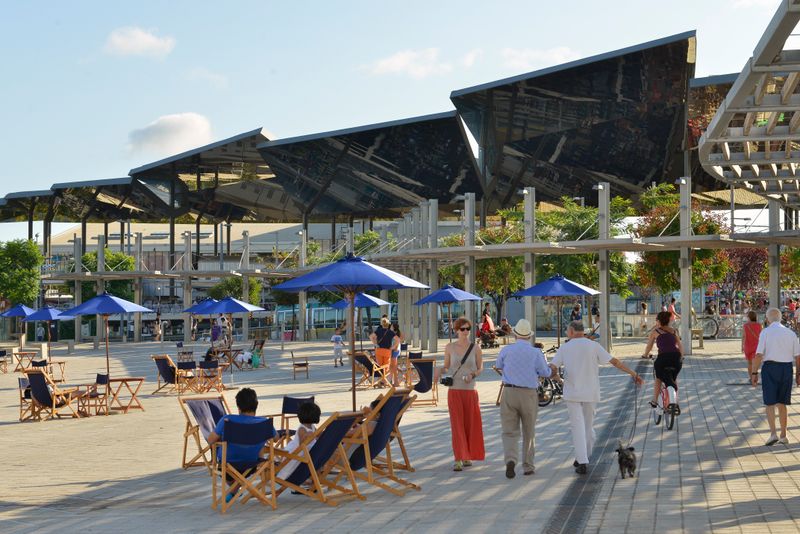
The key lesson I learned communicating Barcelona's "Superblocks"
When we transform the public realm, we are not merely redesigning streets or pavements. We are asking people to change their daily routines. As human beings, change can be daunting. Our initial reaction is often fear of the unknown or outright rejection.
I experienced this firsthand while leading the urban communication strategy for the Superblocks (Superilles) initiative in Barcelona.
It proved to me that acknowledging that initial friction — that immediate pushback — from day one is essential. It positions us with empathy. It reminds us that our role is not simply to "explain" a project, but to support people throughout the entire process of change.
Embracing our complexity makes us more human
We sometimes forget that the very nature of urban transformation is ongoing conflict.
That conflict does not just happen on the street; it occurs within project teams too — between urban planners, transport leads, infrastructure teams, and green space experts. Everyone has competing priorities, and they do not always align effortlessly.
Do you know what happens when we share this complexity with local residents and business owners? It makes us human.
When we are honest and refrain from sweeping these debates under the carpet during public consultations, people understand how genuinely challenging public realm design really is. They realise we are not attempting to impose solutions blindly, but rather attempting a delicate balancing act.
Benefiting everyone at the same time is never simple. Think of a local restaurant owner who needs an extra table on the pavement to keep their business afloat, right next to a wheelchair user who needs that exact space to travel safely every day. Recognizing these competing needs and making them visible is crucial.
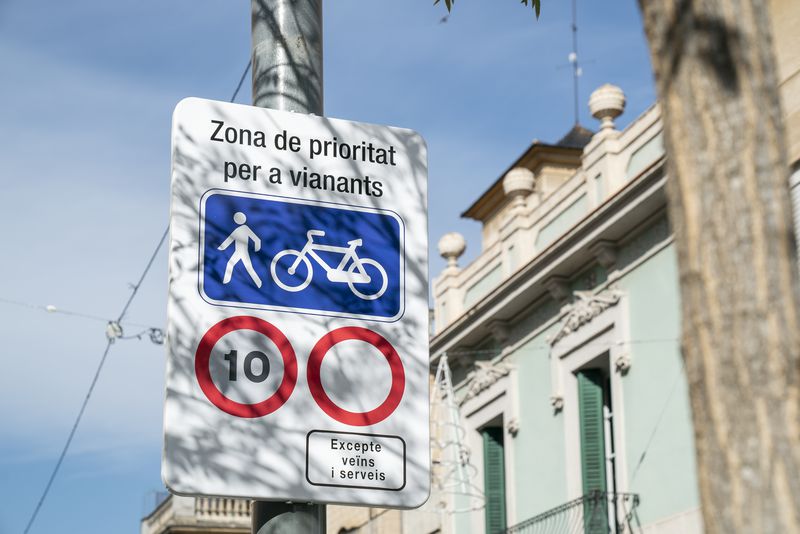
The power of an effective communication strategy
If I focus solely on how "great" my project is while ignoring the people affected by the transformation, I am not communicating with empathy. And without empathy, building trust is impossible.
That is why embracing initial urban friction is so vital for communication strategy applied to the built environment.
#Communication #UrbanDesign
References and inspiring reads: References and further reading:
- Bloomberg Center for Public Innovation (Johns Hopkins University): Why Cities Should Embrace Friction in Partnerships.Why Cities Should Embrace Friction in Partnerships – Bloomberg Center for Public Innovation